How to Make CRM Reporting Trustworthy Again | ThreeSixNine.Agency

Pipeline Systems · CRM Reporting

How to Make CRM Reporting Trustworthy Again

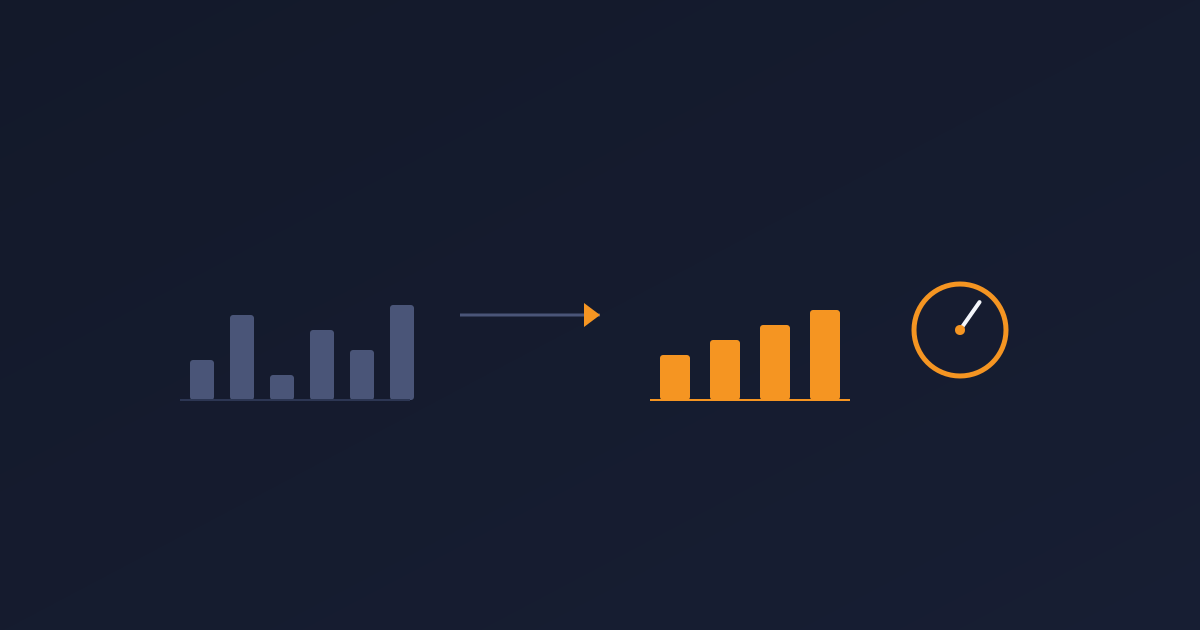
CRM reporting dashboard showing pipeline health and response time

Quick answer: A CRM reporting dashboard is only useful if the data feeding it is clean and consistent. Reboot Engine installs naming rules, stage definitions, and a baseline dashboard so reporting matches how founders actually make decisions.

Key takeaways

  • An untrustworthy CRM reporting dashboard forces founders to manage by gut.
  • Reporting breaks when lead sources are inconsistent and stages are undefined.
  • Clean naming and stage definitions come first, then the dashboard gets built.

If your CRM is not trusted, every report is a debate. And if every report is a debate, founders end up managing by gut. That is expensive.

The “numbers debate” problem

Reporting breaks when lead sources are inconsistent, stages drift, ownership is unclear, and data entry is optional.

Why founders manage by gut

When the numbers can’t be trusted, there’s no other option left. Every meeting turns into a debate about whose version of the pipeline is correct.

Baseline reporting that matches decisions

The fix is boring, which is great. Reboot Engine installs lead source tracking and naming rules, a pipeline map and stage definitions, and a baseline reporting dashboard for pipeline health and response time.

What gets installed in Reboot Engine

When your tracking is clean, you stop arguing about the numbers and start using them.

1Inconsistent Data2Naming + Stages3Trusted Dashboard

Calm next stepClean the naming and stages first, then build the dashboard.

Questions

Why doesn’t anyone trust the numbers in our CRM?

Usually because lead sources are named inconsistently, stages drift over time, and data entry is optional rather than required. Clean that up first and the reports become trustworthy again.

Should we build the dashboard before or after fixing the data?

After. A dashboard built on inconsistent naming and undefined stages just displays the same debate in chart form. Fix naming and stage definitions first, then build the dashboard.

What’s the minimum a baseline reporting dashboard should show?

Pipeline health and response time, tied to clean lead source tracking and stage definitions. That’s enough to stop arguing about the numbers and start using them.

Stop debating the numbers. Start trusting them.