The Weekly Scorecard Rhythm That Keeps Growth from Sliding Back | ThreeSixNine.Agency

Pipeline Systems · Weekly Scorecard

The Weekly Scorecard Rhythm That Keeps Growth from Sliding Back

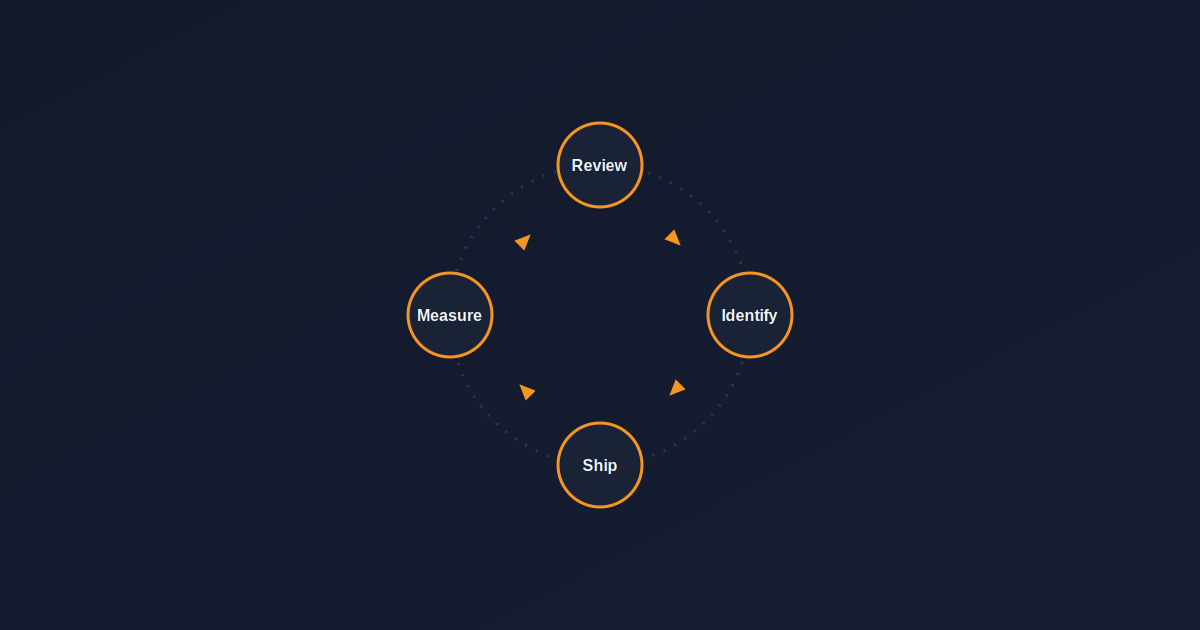
Weekly scorecard review rhythm for pipeline maintenance in GrowthLoop

Quick answer: A weekly scorecard review keeps a clean pipeline from sliding back into chaos. GrowthLoop runs a simple rhythm: review pipeline health, pick the biggest leak, ship one change, and measure it the following week.

Key takeaways

  • Even well-installed pipelines drift without a weekly review rhythm.
  • GrowthLoop runs a weekly scorecard to identify the biggest leak and ship one change.
  • Commitment to the rhythm, not occasional motivation, is what keeps the system maintained.

A clean pipeline is founder relief. You stop carrying follow-up in your head. But even clean systems drift if no one maintains them.

Why systems drift

They drift because new team members do it “their way,” stages creep, follow-up becomes optional again, and nobody owns the weekly review.

What GrowthLoop is

GrowthLoop is the weekly rhythm: review the scorecard, pick the biggest leak, ship one change, measure it. The difference is not creativity. It is stage ownership, response standards, and small tracked iterations.

The weekly review agenda

Keep it simple: review response time and pipeline health, identify the biggest leak, choose one change, implement it, and measure next week.

Small changes, tracked

1Review2Ship One Change3Measure

Calm next stepCommit to the rhythm, not the mood.

Questions

Why does a pipeline that was working start to drift?

Usually because new team members do things their own way, stages quietly creep, follow-up becomes optional again, and nobody owns the weekly review. None of that requires a big failure, just a missing rhythm.

How often should we actually review the scorecard?

Weekly. GrowthLoop is built around a short, consistent weekly review, not a quarterly deep-dive that lets small problems compound in between.

What should come out of each weekly review?

One identified leak and one change to ship before the next review. Small, tracked iterations beat sweeping rebuilds because you can actually measure whether the change worked.

Keep the system you just installed from sliding back.